


 Your order qualifies for free standard delivery
18th July 2017
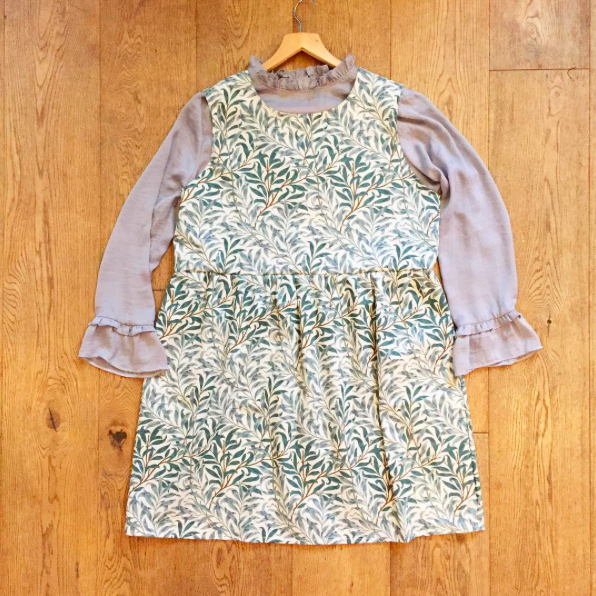
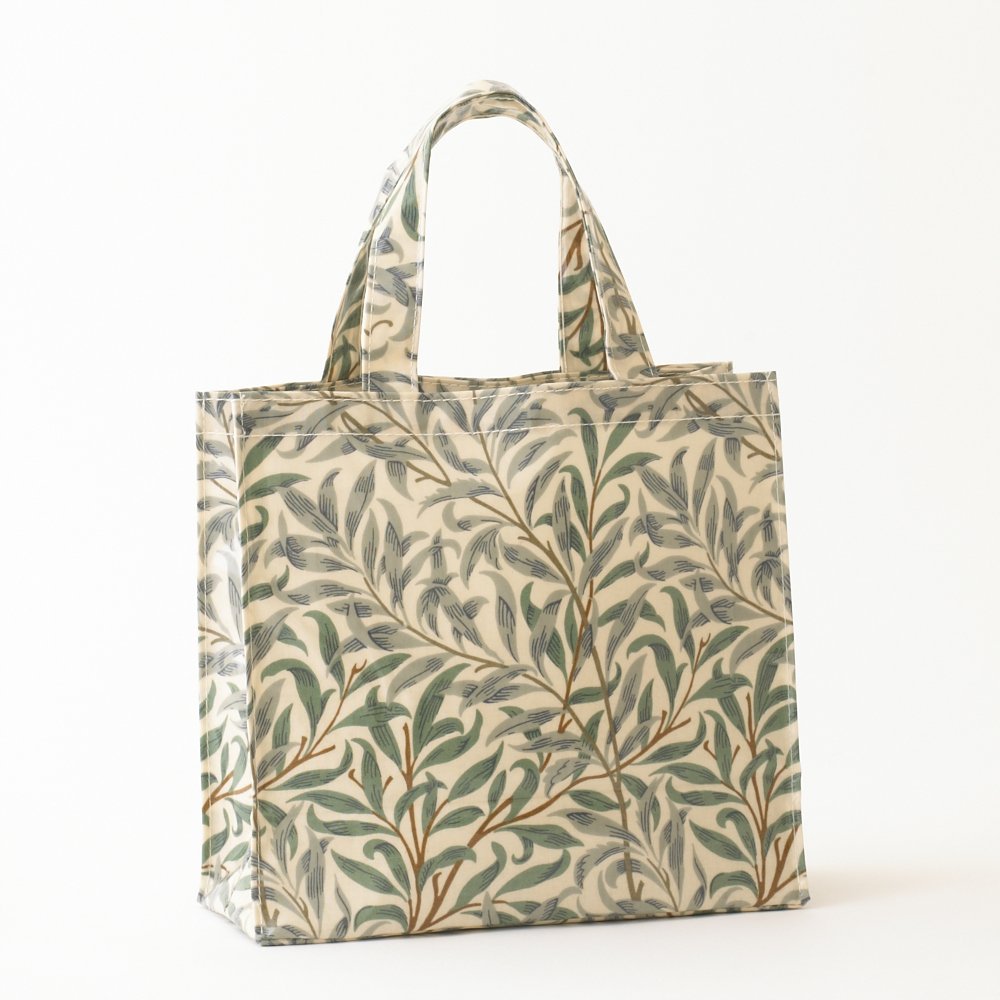
Willow Bough is one of our all time favourite designs from William Morris. Though it’s a relatively new design within the last few years for us to have printed and manufactured into products, we’ve loved it for years. Reading an article last week in the Telegraph newspaper about Morris and how the, “19th century textile titan is inspiring a new generation of designers and Instagram stars,” we realised we’ve not featured it that much lately on the blog (however for more pictures of the design make sure you’re following our Instagram!)
The design was first licensed in 1887, produced for a wallpaper design before being adapted for fabric in 1895 when it was block printed at Merton Abbey. May Morris loved the wallpaper design so much, she used it to decorate her bedroom. When talking of the design, she obviously had a sentimental attachment to it, “we were walking one day by our little stream that runs into the Thames and my father pointed out the detail and soon after the paper was done.”
The wallpaper can now be seen in Jane Morris’ bedroom in Kelmscott Manor if you visit. Kelmscott Manor was the Cotswold home of William Morris and acted as a countryside retreat for his family, friends and colleagues. He signed a joint lease for the property with Dante Gabriel Rosetti, a fellow Pre-Raphaelite artist.
Described by Morris as looking like it had just ‘grown up out of the soil’ it looked so natural in its setting. It’s a house of true craftsmanship, in a setting so unspoilt, in a picturesque village, if you visit you’ll understand why he felt so strongly about this house that it’s such a beautiful home, unaltered since it was built. If you’ve read our past blogs, we’ve referenced Kelmscott many times as it inspired so many of his designs – most of his designs have strong naturalistic elements and so the gardens, meadows and streams provided him strong inspiration throughout his time here until his death in 1896.
Following his death, his wife Jane purchased the house and their daughter May spent much of her adult life here. Both William and Jane and their two daughters, Jenny and May are buried in the nearby St George’s Church, showing how strongly they all felt they belonged here.
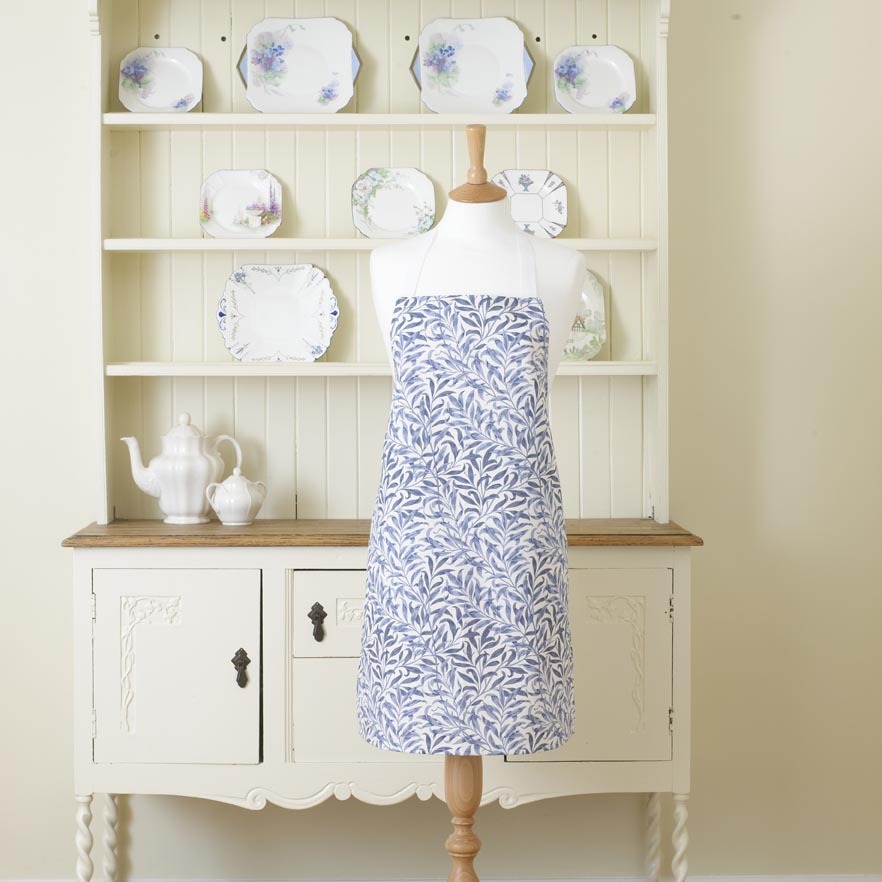
As well as the design in blue, we also sell this in green and cream – which do you prefer?
Posted in William Morris by Laura




 07544 094386